Website checklist before you apply for a payment gateway
What your website needs before you submit a payment gateway application: product descriptions, pricing, policies, legal entity details and HTTPS, as a checklist.
International payment gateways often accept businesses only in certain countries. What entity, account and papers you need, and options before forming a company.
You sell to customers abroad, you want to accept cards through an international payment gateway, and after you apply you are declined because your business address is in Vietnam. This happens more often than people think. The reason is that each payment gateway serves only businesses located in a list of countries that it sets itself.
This article covers where you need a legal entity, what extra documents you need, and when there are other routes.
A payment gateway has to verify who receives the money, whether the business is legally registered, and which account the money goes to. So it only opens its service in countries where it holds a licence, has banking partners and can verify documents.
This list of countries changes over time and differs between gateways. We do not list it on their behalf: open the official page of the gateway you want to use and read its section on supported countries.
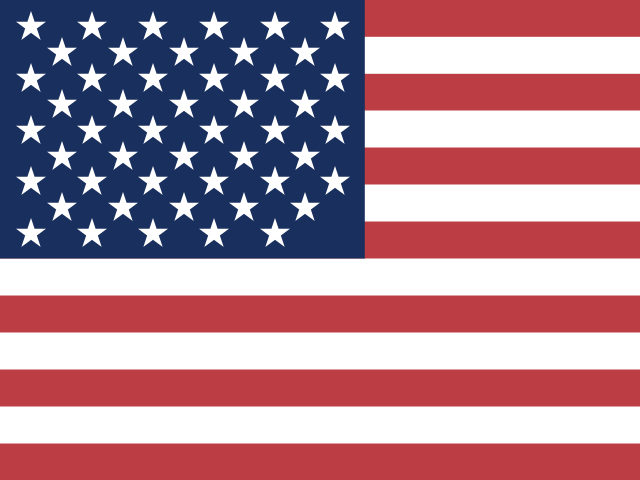
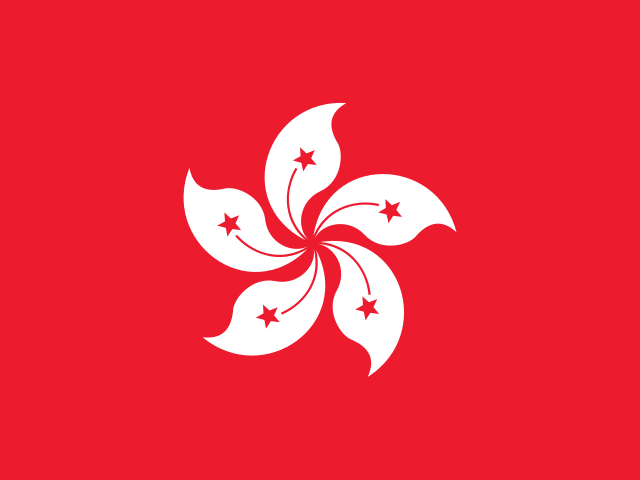
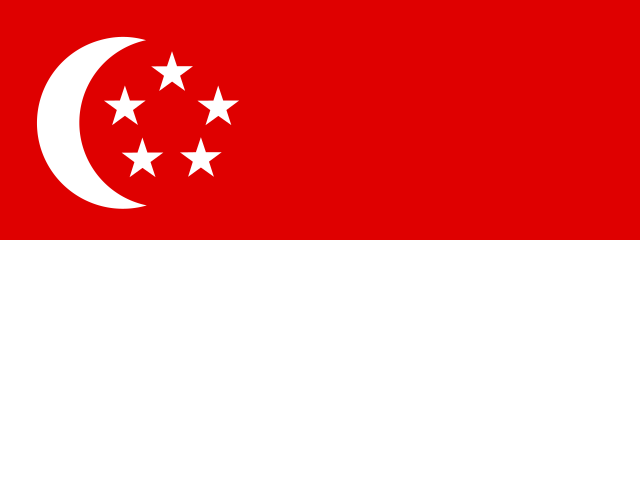
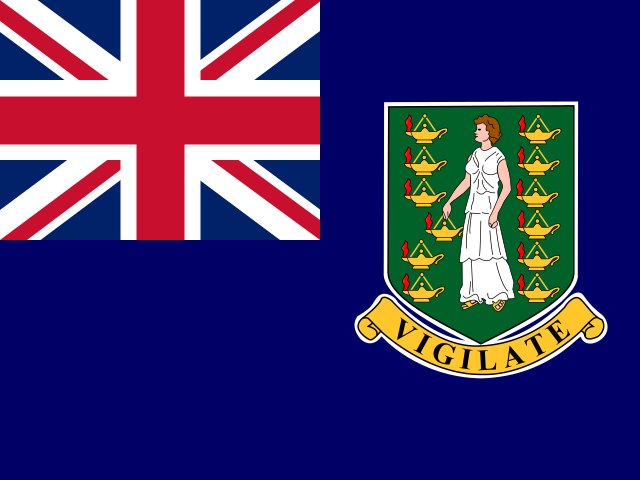
Many Vietnamese shop owners form a company in one of the four places below, because the procedures are clear and many banks are familiar with files from these countries:
Choose according to your customer market, the type of goods you sell, the payment gateway you plan to use and the annual tax obligations you can bear. A company in a given country files under that country’s law, and this costs money and effort every year.
A certificate of incorporation is not enough. A payment gateway application usually asks for more:
The bank account is the easiest place to go wrong. Opening an account for an owner who lives abroad is often slow and may be refused, especially when the company has no real activity yet. Plan for this from the start, and do not wait until the company is formed.
The Vietnam side adds another layer. Under the rules currently in force, a Vietnamese investor contributing capital to set up a company abroad must hold a Certificate of Overseas Investment Registration and register foreign exchange transactions with the State Bank of Vietnam before transferring capital. Specific cases need someone knowledgeable to review them.
Forming an overseas company is not the first step for every shop. If revenue is still small or the model is not yet stable, the three routes below may suit better, and each has its own price.
| Route | Advantage | Drawback |
|---|---|---|
| Selling through a marketplace (Amazon, Etsy and similar) | The marketplace handles collection, and you are paid under its rules | High fees, and you depend on the marketplace’s rules and its power to suspend your account |
| A payment facilitator | Fewer registration steps, no separate company needed | Limits and fund-holding rules set by the provider, and easily reviewed when revenue grows |
| Merchant of Record (MoR) | The provider sells in its own name and handles sales tax for overseas customers | Higher fees, and usually suited only to digital products such as software and courses |
Each route has its own conditions on the type of goods and on the country of the person receiving the money, so read the terms carefully before you build revenue plans on it.
Consider forming a company when revenue is steady, your customers are mainly abroad, or a partner requires a contract with a legal entity. For choosing a specific gateway, see payment gateway consulting.
Leave your details and we will call you back during working hours. The first conversation is to understand your business model and set out the options, costs and yearly tasks.
Cookies on this website
We use the cookies needed to make the website work. If you allow it, we also switch on measurement cookies (Google Analytics) and advertising cookies (Meta, TikTok, Google) to see how the website is used and to measure how well our ads perform. Privacy policy